

Introduction
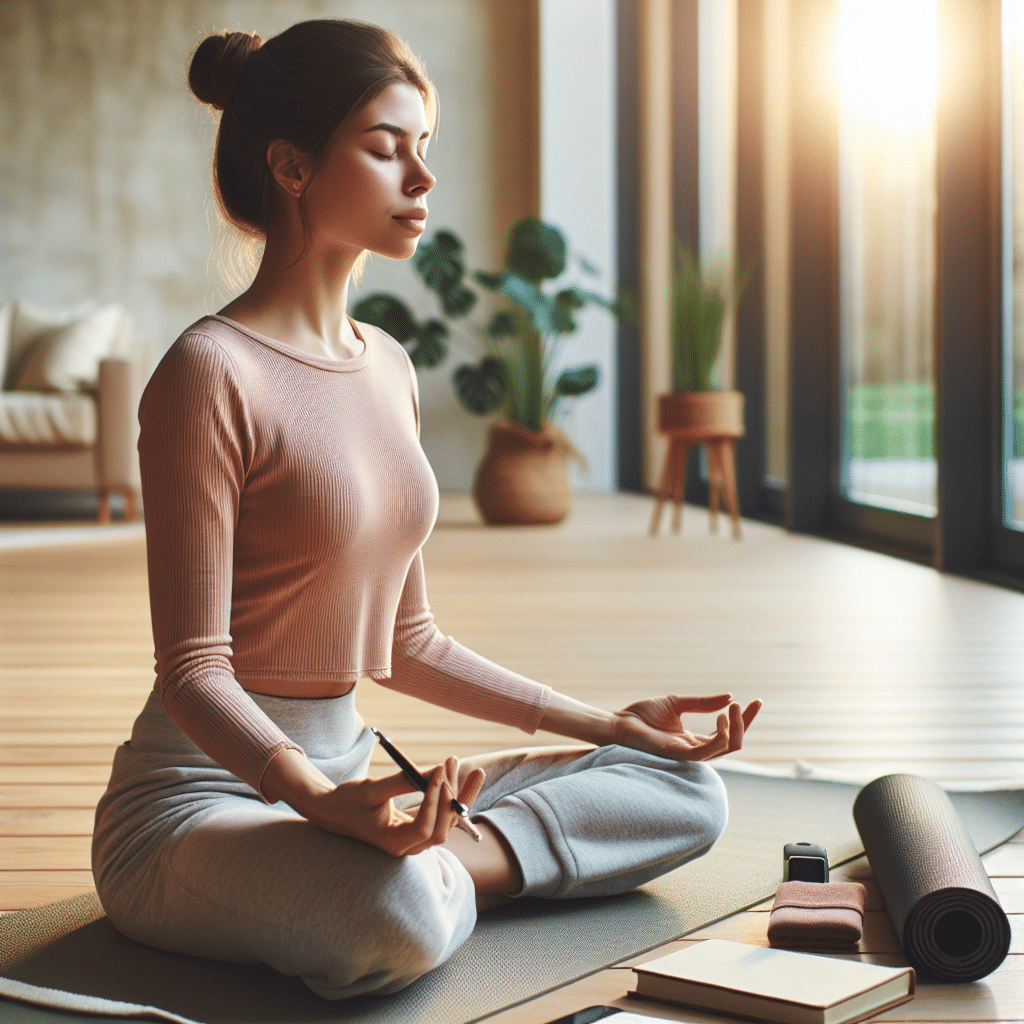
This article is designed for yoga practitioners who are eager to deepen their understanding and practice of pranayama, the art of breath control. Whether you are a beginner or have been practicing yoga for years, you will discover easy-to-follow techniques that can enhance your daily routine and improve your overall well-being.
Understanding Pranayama
Pranayama, a key component of yoga, refers to the regulation of breath. It is more than just breathing exercises; it is a practice that helps harmonize the mind and body, facilitating mental clarity and emotional stability. The primary goal of pranayama is to control the breath to influence the flow of prana, or life force, within the body. One practical insight from teaching is that when students focus on their breath, they often find they can handle stress with greater ease and maintain a sense of calm throughout their day.
Step-by-Step Guidance
Below are some popular pranayama techniques, with detailed instructions, safety notes, and alignment cues:
1. Nadi Shodhana (Alternate Nostril Breathing)
– **Step 1:** Sit in a comfortable position with your spine erect.
– **Step 2:** Use your right thumb to close your right nostril.
– **Step 3:** Inhale slowly through your left nostril.
– **Step 4:** Close your left nostril with your right ring finger, and release your right nostril.
– **Step 5:** Exhale slowly through your right nostril.
– **Step 6:** Inhale through your right nostril, close it with your thumb, and exhale through your left nostril.
– **Safety Notes:** Avoid forcing your breath and stop if you feel dizzy or lightheaded.
– **Alignment Cues:** Ensure your shoulders remain relaxed, and your face is soft.
**Modification for Beginners:** If alternating nostrils feels challenging, start by simply focusing on even inhales and exhales through both nostrils.
2. Ujjayi Pranayama (Victorious Breath)
– **Step 1:** Sit comfortably with your spine straight.
– **Step 2:** Inhale through your nose while slightly constricting the back of your throat, creating a soft hissing sound.
– **Step 3:** Exhale in the same manner, maintaining the sound.
– **Safety Notes:** Keep the breath smooth and even, avoiding any strain.
– **Alignment Cues:** Keep your jaw relaxed, and maintain length in your spine.
**Modification for Beginners:** Practice the hissing sound with open mouth first to get a sense of the throat constriction, then close the mouth.
3. Bhramari Pranayama (Bee Breath)
– **Step 1:** Sit comfortably and close your eyes.
– **Step 2:** Inhale deeply through your nose.
– **Step 3:** As you exhale, make a humming sound like a bee.
– **Safety Notes:** Focus on the vibration in your throat, and ensure the sound is gentle.
– **Alignment Cues:** Keep your shoulders relaxed and your eyes softly closed.
**Modification for Beginners:** Start with just a few rounds and gradually increase as you become more comfortable.
Incorporating Pranayama into Your Routine
To reap the full benefits of pranayama, it is essential to integrate these techniques into your daily or weekly routine. Here’s a simple guide to help you get started:
– **Daily Practice:** Dedicate 5-10 minutes each morning to practice one or two pranayama techniques. This sets a calm tone for the day ahead.
– **Weekly Routine:** Aim to practice different pranayama techniques on alternate days to keep your routine balanced and engaging.
– **Consistency is Key:** Remember, regular practice, even if brief, is more beneficial than occasional long sessions.
– **Mindful Integration:** Consider practicing pranayama at the end of your yoga session or as a standalone practice to enhance focus and relaxation.
Incorporating pranayama into your life can nurture a sense of peace and enhance your physical and mental health. Approach each session with patience, and over time, you may notice a positive shift in your overall well-being.
Introduction
This article is designed for yoga practitioners who are eager to deepen their understanding and practice of pranayama, the art of breath control. Whether you are a beginner or have been practicing yoga for years, you will discover easy-to-follow techniques that can enhance your daily routine and improve your overall well-being.
Understanding Pranayama
Pranayama, a key component of yoga, refers to the regulation of breath. It is more than just breathing exercises; it is a practice that helps harmonize the mind and body, facilitating mental clarity and emotional stability. The primary goal of pranayama is to control the breath to influence the flow of prana, or life force, within the body. One practical insight from teaching is that when students focus on their breath, they often find they can handle stress with greater ease and maintain a sense of calm throughout their day.
Step-by-Step Guidance
Below are some popular pranayama techniques, with detailed instructions, safety notes, and alignment cues:
1. Nadi Shodhana (Alternate Nostril Breathing)
– **Step 1:** Sit in a comfortable position with your spine erect.
– **Step 2:** Use your right thumb to close your right nostril.
– **Step 3:** Inhale slowly through your left nostril.
– **Step 4:** Close your left nostril with your right ring finger, and release your right nostril.
– **Step 5:** Exhale slowly through your right nostril.
– **Step 6:** Inhale through your right nostril, close it with your thumb, and exhale through your left nostril.
– **Safety Notes:** Avoid forcing your breath and stop if you feel dizzy or lightheaded.
– **Alignment Cues:** Ensure your shoulders remain relaxed, and your face is soft.
**Modification for Beginners:** If alternating nostrils feels challenging, start by simply focusing on even inhales and exhales through both nostrils.
2. Ujjayi Pranayama (Victorious Breath)
– **Step 1:** Sit comfortably with your spine straight.
– **Step 2:** Inhale through your nose while slightly constricting the back of your throat, creating a soft hissing sound.
– **Step 3:** Exhale in the same manner, maintaining the sound.
– **Safety Notes:** Keep the breath smooth and even, avoiding any strain.
– **Alignment Cues:** Keep your jaw relaxed, and maintain length in your spine.
**Modification for Beginners:** Practice the hissing sound with open mouth first to get a sense of the throat constriction, then close the mouth.
3. Bhramari Pranayama (Bee Breath)
– **Step 1:** Sit comfortably and close your eyes.
– **Step 2:** Inhale deeply through your nose.
– **Step 3:** As you exhale, make a humming sound like a bee.
– **Safety Notes:** Focus on the vibration in your throat, and ensure the sound is gentle.
– **Alignment Cues:** Keep your shoulders relaxed and your eyes softly closed.
**Modification for Beginners:** Start with just a few rounds and gradually increase as you become more comfortable.
Incorporating Pranayama into Your Routine
To reap the full benefits of pranayama, it is essential to integrate these techniques into your daily or weekly routine. Here’s a simple guide to help you get started:
– **Daily Practice:** Dedicate 5-10 minutes each morning to practice one or two pranayama techniques. This sets a calm tone for the day ahead.
– **Weekly Routine:** Aim to practice different pranayama techniques on alternate days to keep your routine balanced and engaging.
– **Consistency is Key:** Remember, regular practice, even if brief, is more beneficial than occasional long sessions.
– **Mindful Integration:** Consider practicing pranayama at the end of your yoga session or as a standalone practice to enhance focus and relaxation.
Incorporating pranayama into your life can nurture a sense of peace and enhance your physical and mental health. Approach each session with patience, and over time, you may notice a positive shift in your overall well-being.

Helpful yoga reads
Trusted sources